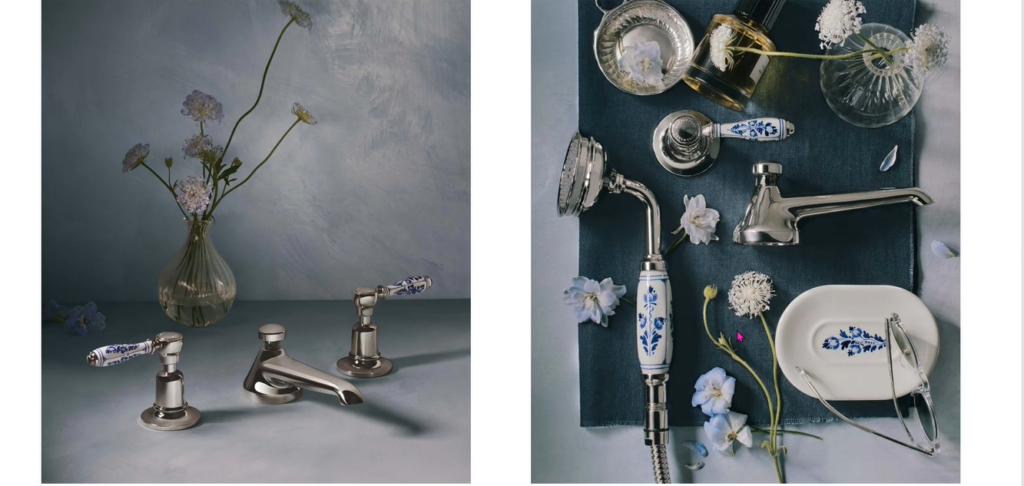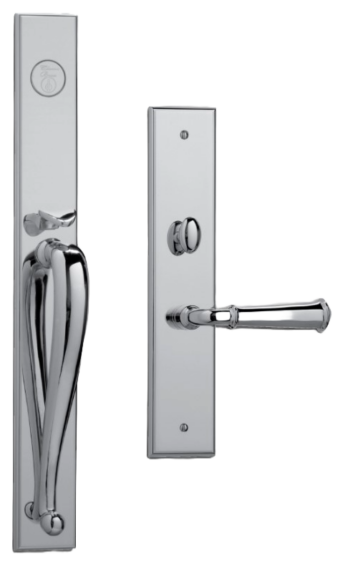
Europe has long been regarded as the epicenter of craftsmanship, where centuries-old techniques meet modern innovation to create some of the world’s most refined architectural hardware and plumbing fixtures. For designers and homeowners alike, sourcing from European manufacturers is about more than aesthetics—it’s about investing in legacy, material integrity, and cultural heritage.
From the bronze ateliers of France to the precision workshops of England and the forward-thinking studios of Italy, each region brings a distinct perspective to design. These influences are not only visible in the final product but are deeply embedded in the process, materials, and philosophy behind each piece.
Why Europe Remains the Standard for Craftsmanship
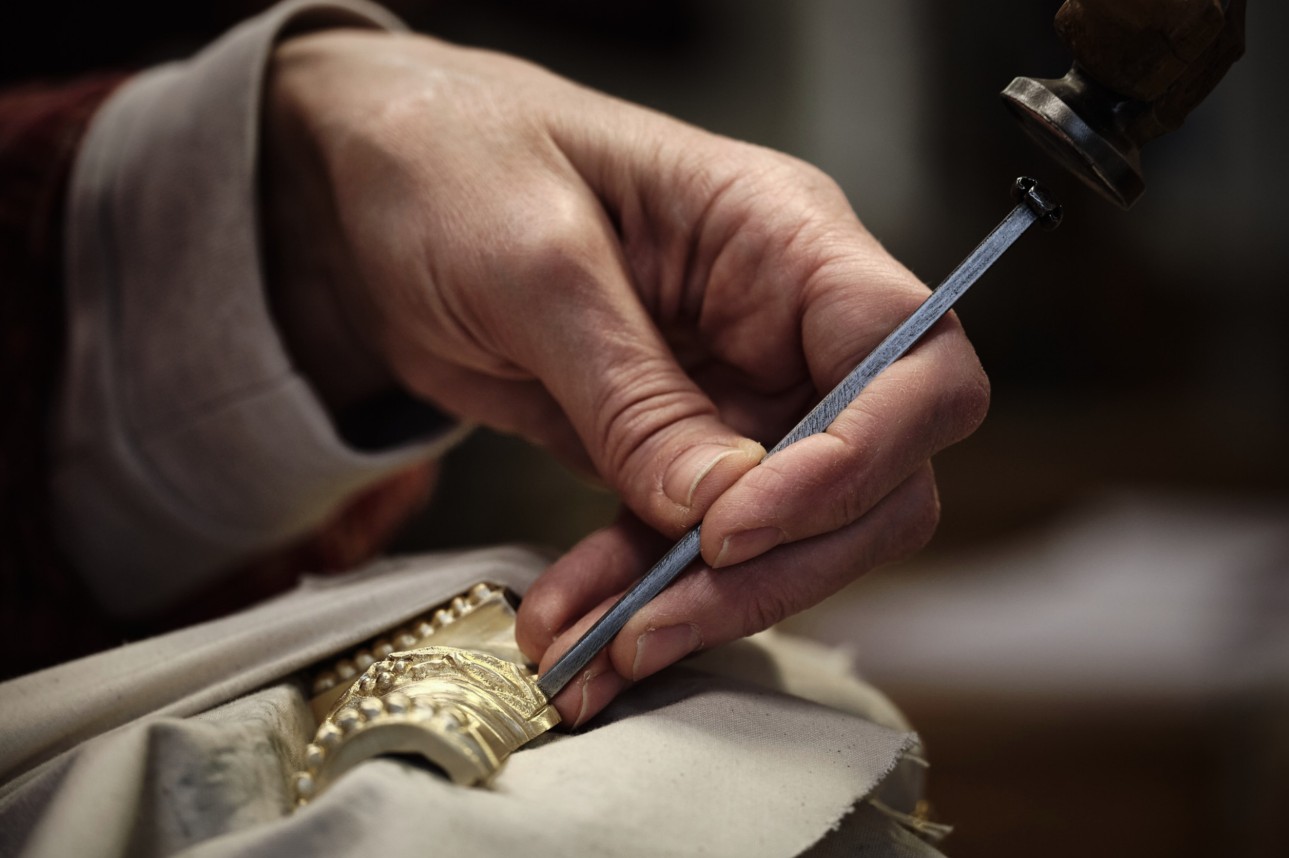
European manufacturing is rooted in tradition. Many of today’s leading luxury brands operate out of facilities that have been refining their craft for generations. This continuity ensures that techniques such as hand-finishing, metal casting, and precision engineering are not lost, but instead elevated with modern advancements.
The result is a category of products that offer both performance and artistry—fixtures and hardware that are designed to last, age gracefully, and enhance the overall architectural narrative of a space.

Italy | Innovation Meets Timeless Elegance
Italy stands at the forefront of design innovation. Known for its ability to seamlessly blend artistry with engineering, Italian manufacturers consistently push the boundaries of what plumbing fixtures and hardware can achieve.
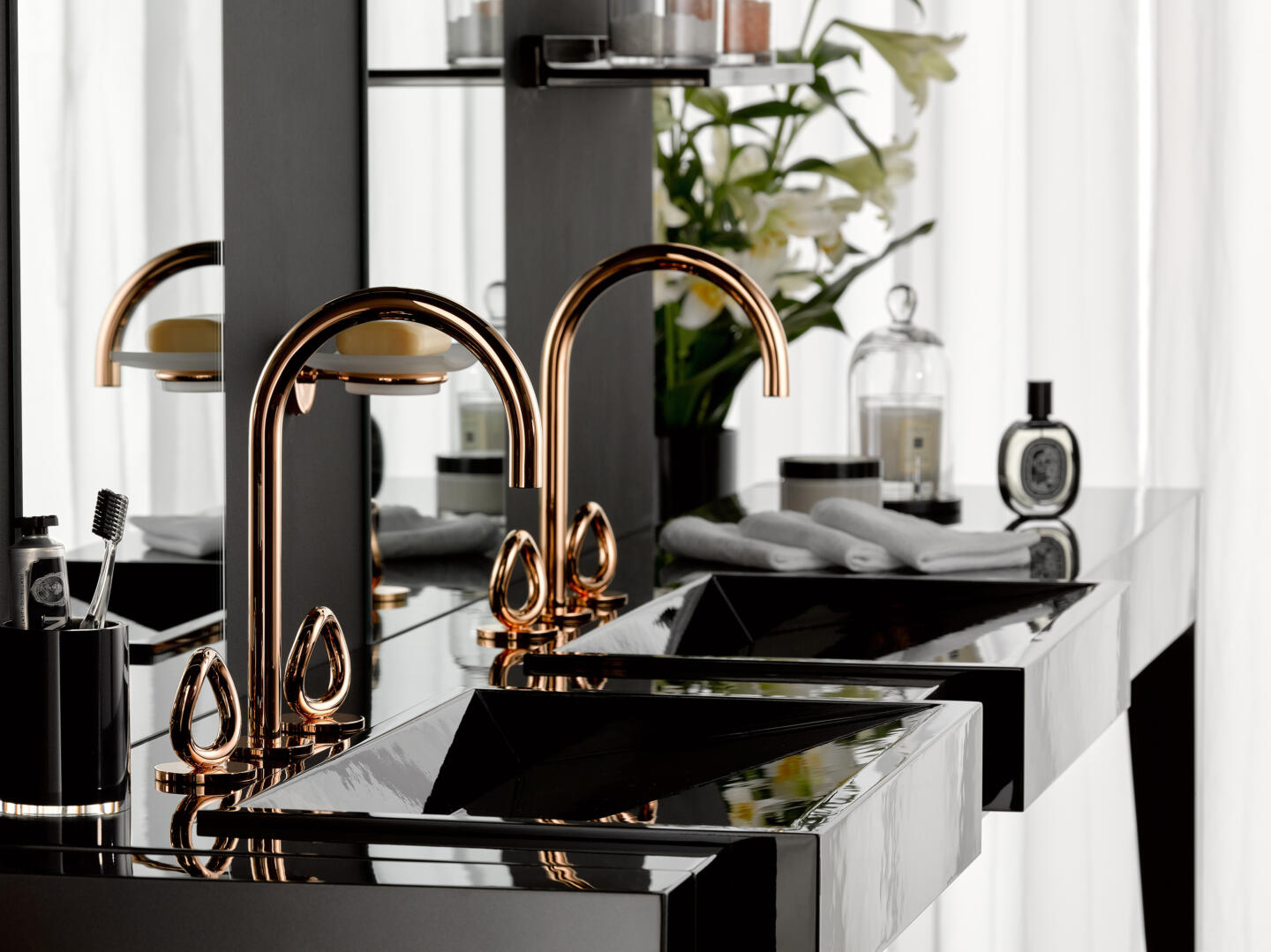
Brands like Fantini and Gessi exemplify this ethos, producing sculptural faucets and fittings that feel as much like art as they do functional objects. Salvatori, on the other hand, introduces a tactile dimension through its use of natural stone, offering surfaces that connect interiors to the natural world.
Design inspiration often traces back to regions like Milan and Lake Orta, where a culture of design excellence and experimentation continues to thrive.

France | The Art of Decorative Metalwork
French craftsmanship is synonymous with refinement and ornamentation. Rooted in classical design traditions, French manufacturers have mastered the art of bronze casting and decorative detailing.
Brands such as THG, Remy Garnier, and Cristal & Bronze carry forward this legacy, producing fixtures that echo the grandeur of historic Parisian interiors while maintaining modern functionality. Intricate engravings, polished finishes, and balanced proportions define this category, making French hardware a natural choice for spaces that call for timeless elegance.
United Kingdom | Precision and Performance
In the United Kingdom, craftsmanship is defined by engineering excellence and attention to detail. British manufacturers have a long-standing reputation for producing high-performance hardware that combines durability with understated design.
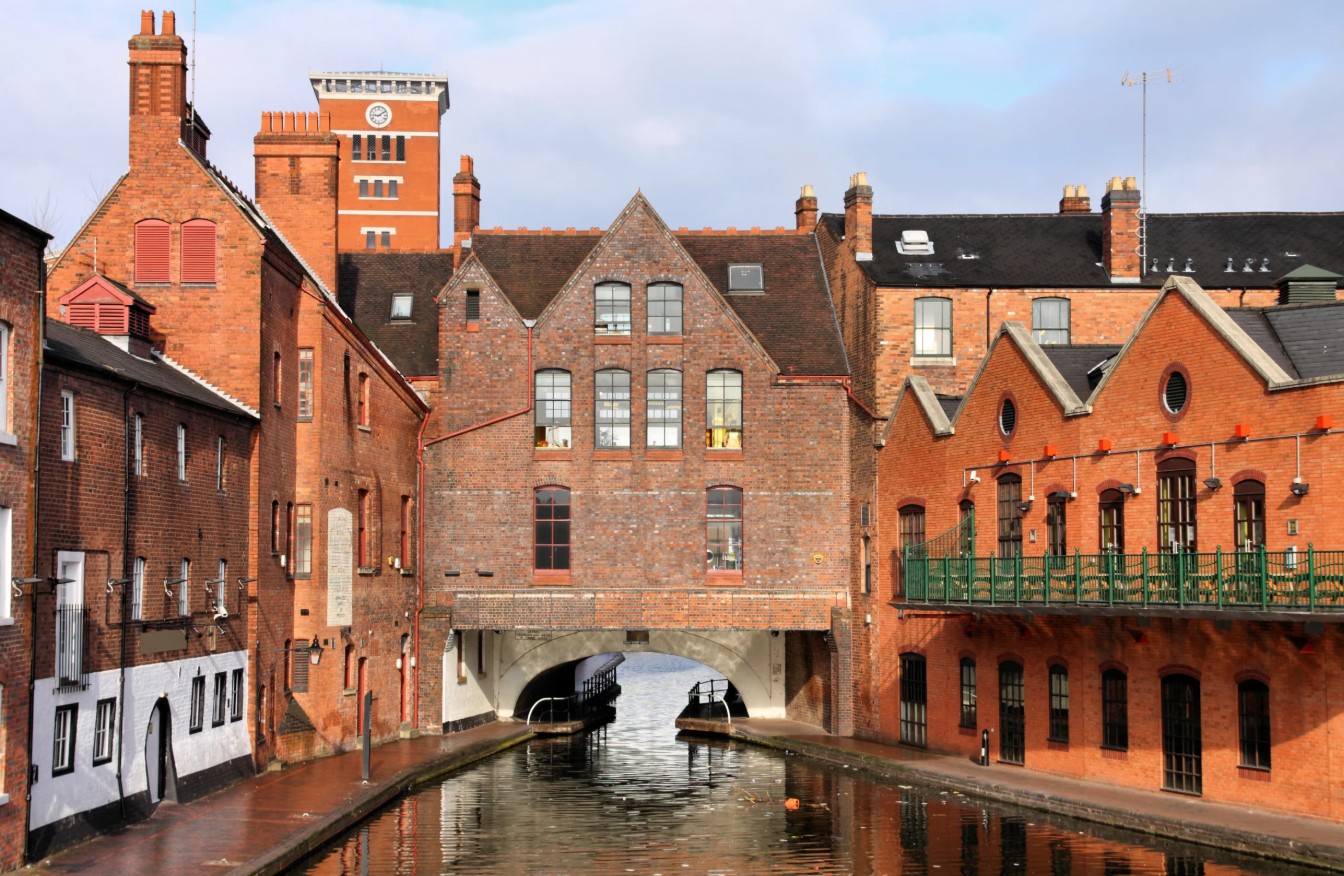
Samuel Heath and Frank Allart exemplify this approach, offering finely crafted pieces with exceptional finish quality. Their work often reflects the industrial heritage of regions like Birmingham, where metalworking has been a cornerstone of local industry for centuries.

Scandinavia | Minimalism and Functionality
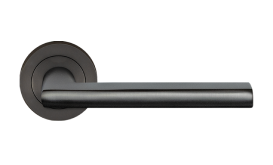
Scandinavian design brings a different perspective—one that prioritizes simplicity, functionality, and clarity of form. Danish brand VOLA is a leader in this space, known for its clean lines and modular systems that integrate seamlessly into modern architecture.
Rather than focusing on ornamentation, Scandinavian fixtures emphasize usability and restraint, creating spaces that feel calm, intentional, and highly functional.
Bringing European Craftsmanship Into Your Project
Incorporating European brands into a project allows designers to layer global influences while maintaining a cohesive aesthetic. The key lies in understanding how each region’s strengths can complement one another.
Italian innovation can be paired with French detailing, while British precision anchors the overall composition. Scandinavian elements can introduce balance, ensuring the final space feels curated rather than overdesigned.
At its core, European craftsmanship offers more than luxury—it offers authenticity. Each piece carries with it a story of place, process, and people, making it an integral part of the design journey.
FAQ’s
Q: What is European craftsmanship in luxury hardware?
A: European craftsmanship in luxury hardware refers to fixtures and architectural hardware produced using traditional techniques, high-quality materials, and precision engineering. These products are often handcrafted or finished by skilled artisans in countries like Italy, France, and the United Kingdom.
Q: Why is European luxury hardware considered higher quality?
A: European luxury hardware is known for its durability, attention to detail, and heritage manufacturing processes. Many brands use premium materials such as solid brass and bronze, along with time-tested production methods that ensure long-lasting performance.
Q: Which countries are known for luxury hardware and fixtures?
A: Italy, France, the United Kingdom, and Denmark are among the most recognized countries for luxury hardware. Each region offers a distinct design style, from Italian innovation to French decorative metalwork and Scandinavian minimalism.
Q: Is European hardware worth the investment?
A: Yes, European craftsmanship luxury hardware is worth the investment for long-term projects. These products are designed to last for decades, maintain their finish, and enhance the overall value of a space.
Q: Can you mix European hardware styles in one project?
A: Yes, designers often mix European styles to create a layered look. For example, Italian fixtures can be paired with French hardware or Scandinavian elements for a balanced and curated design.