The Craft Behind the Details We Live With
In an era of rapid manufacturing and mass production, true luxury is increasingly defined by what cannot be rushed – time, skill, and intention. Nowhere is this more evident than in the world of artisanal craftsmanship, where luxury bathroom fittings, accessories and handmade hardware are created through processes that honor centuries-old traditions. For discerning homeowners and design professionals, these pieces are not merely functional elements; they are enduring works of art.
At Alexander Marchant, the value of heritage craftsmanship is central to every offering. By partnering with storied European ateliers and legacy manufacturers, the showroom connects clients with fixtures that embody authenticity, precision, and timeless beauty. Brands such as Remy Garnier, Cristal & Bronze, and Frank Allart represent the pinnacle of this tradition, each with a distinct narrative rooted in artisanal mastery.
The Atelier Tradition: Where Craft Begins
The journey of luxury hardware, bathroom fittings and accessories begins not on an assembly line, but in an atelier, a workshop where skilled artisans dedicate their careers to perfecting a single discipline. In these environments, knowledge is often passed down through generations, preserving techniques that date back hundreds of years.
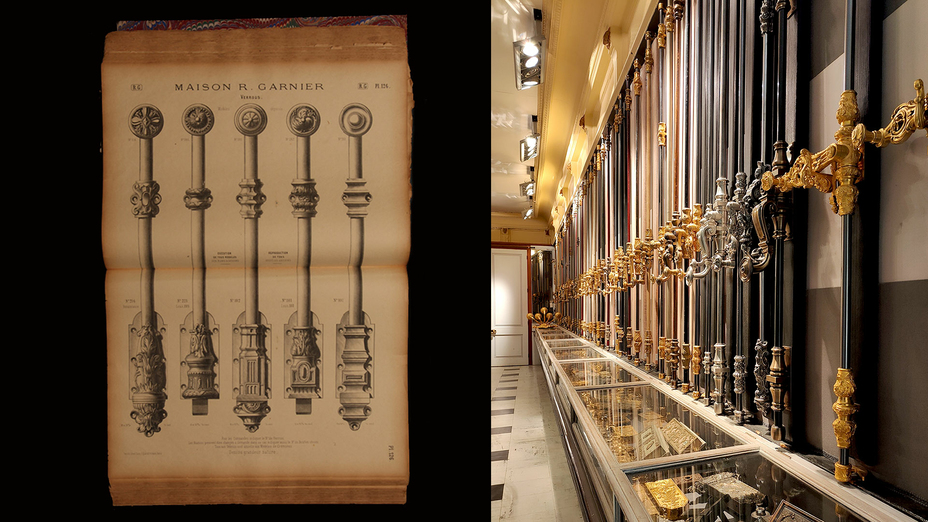
Founded in 1832, the house of Remy Garnier carries a long tradition of decorative metalwork. Its founder was born in Montbard, Burgundy; today, the company has workshops in Paris and Touraine. Its heritage brings particular depth to decorative hardware, lighting, and bronze work.
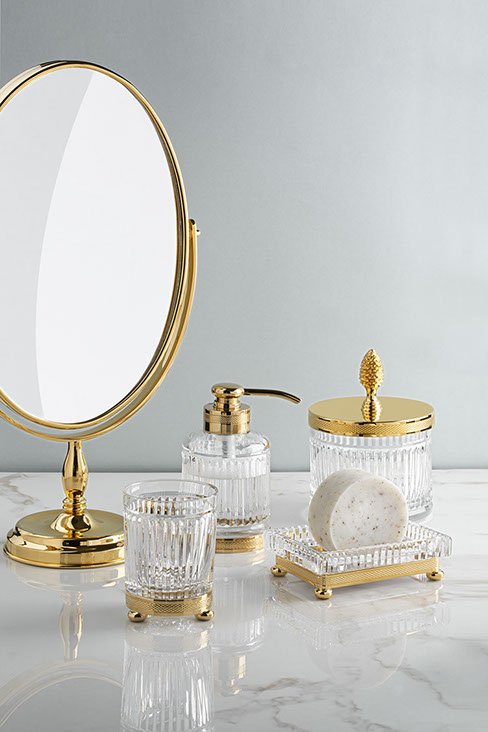
Similarly, Cristal & Bronze has been producing exceptional bathroom fittings and accessories since 1937. The company ensures its production thanks to a workshop located in the medieval village of Château-Landon, near Paris. Each brass piece is handmade by skillful craftsmen who were trained in traditional metalworking techniques. Their extensive know-how can be seen through the quality of their products and especially through their perfect finishes, from gilding to patinas. The result is a product that feels both historic and contemporary, a seamless blend of past and present.
Materials Matter: The Foundation of Luxury Hardware
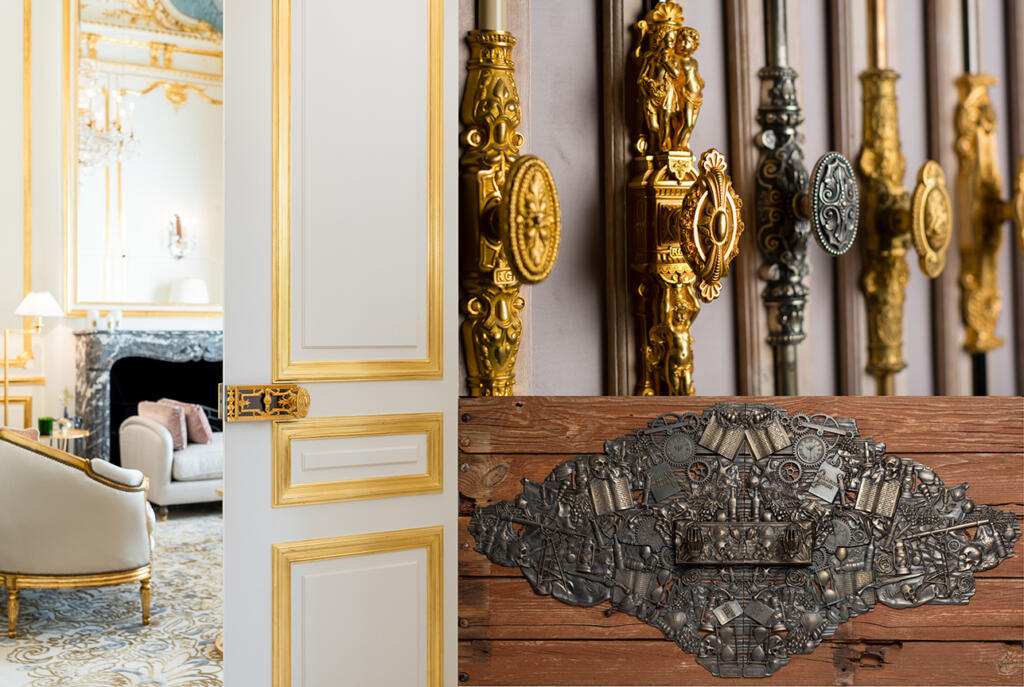
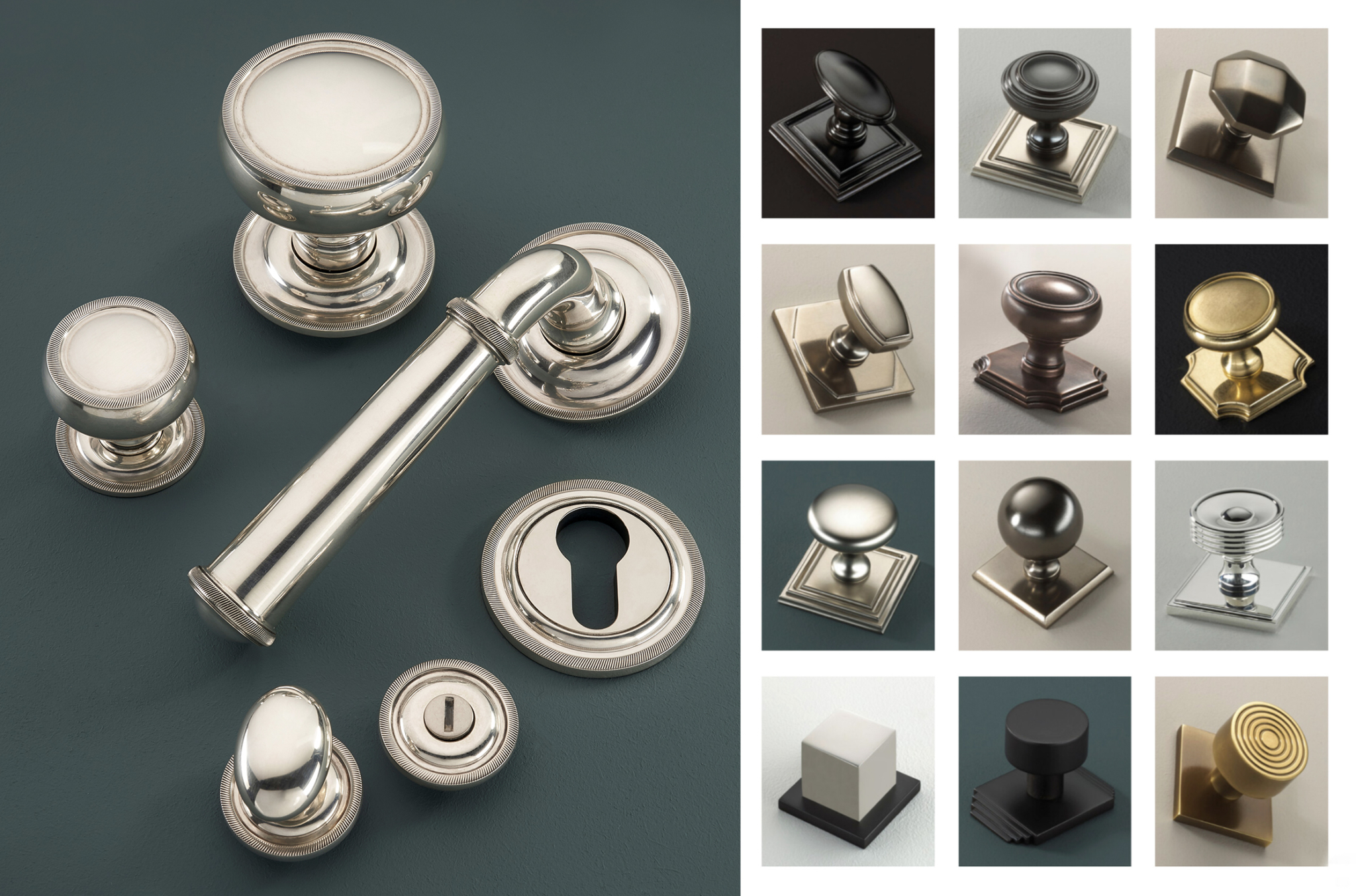
Materials and finishes should be considered together. Brass and bronze offer a substantial tactile presence, while the selected surface treatment influences appearance and care. Some finishes develop a changing patina; others behave differently. Confirm the finish characteristics for the exact item and its intended use.
In 1914 George Allart started his eponymous business from a small workshop in Birmingham and over the decades that have followed the company has continued to grow and diversify.

Frank Allart’s door, window, and cabinet collections offer an opportunity to coordinate details throughout a home. Confirm the material and finish for the specific item, and review samples and care instructions before completing the specification.
The right selection balances appearance, operation, and care. A finish that feels right in the showroom should also make sense for the room where it will be used.
The Human Touch: Techniques That Define Handmade Hardware
Hand finishing brings judgment to the surface of a piece, while precision machinery can contribute accuracy to other stages. The combination varies by maker and product. Ask how a particular fitting is made rather than assuming every piece follows the same process.
For example, the lost-wax casting method, frequently used by heritage brands, involves creating a wax model that is encased in a mold and melted away to form a cavity for molten metal. Once cooled, the piece is removed and refined by hand. This labor-intensive process allows for extraordinary detail and artistic expression.
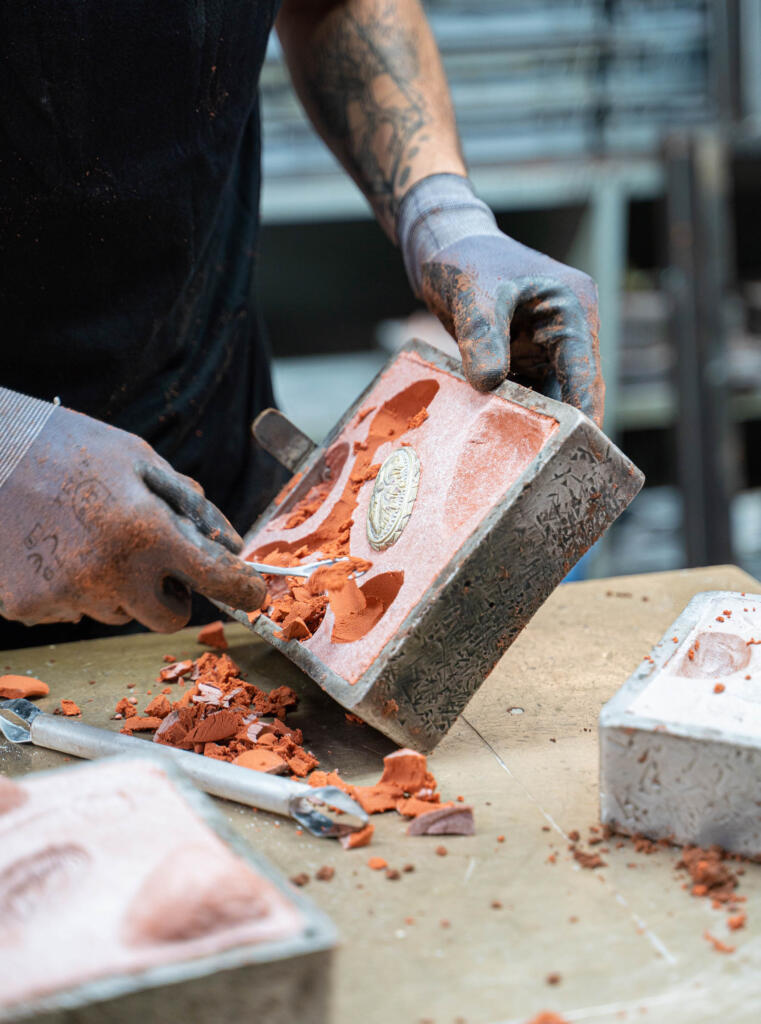
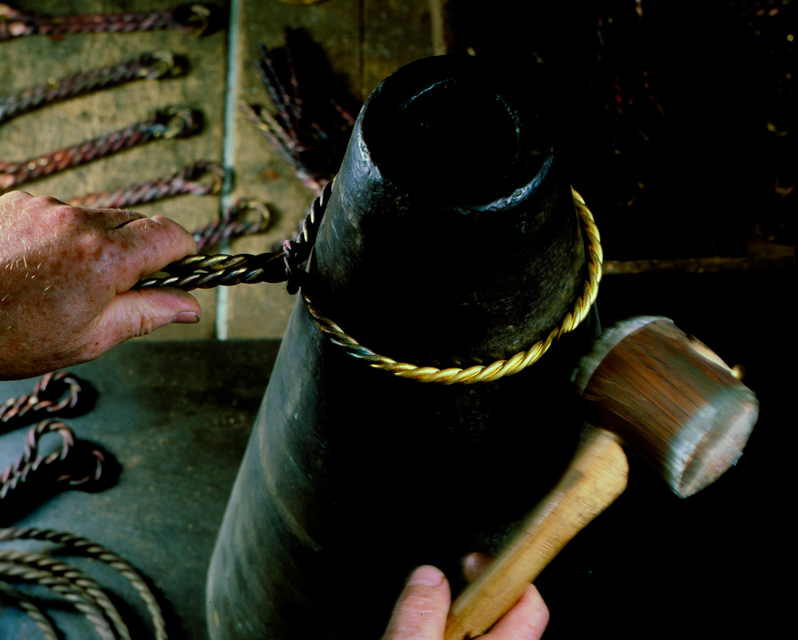
Hand-finishing techniques further elevate each piece. Artisans may spend hours burnishing a single surface or applying layered patinas to achieve a specific tone. The result is hardware or a fitting that feels alive, imbued with the subtle variations and imperfections that define true craftsmanship.
From Workshop to Installation: A Seamless Journey
While the creation of these pieces is rooted in tradition, their integration into modern spaces requires a thoughtful, collaborative approach. From the initial specification to final installation, every step is carefully considered to ensure the integrity of the design.

At Alexander Marchant, this journey is guided by a deep understanding of both product and project. Clients are invited to explore collections in a showroom environment that mirrors the atelier experience, tactile, immersive, and highly curated. This allows designers and homeowners to engage with the materials, finishes, and forms in a meaningful way before making a selection.
Some selections are made to order or require additional production time. Confirm current availability and lead times for the exact specification before building the project schedule around them. Coordinate dimensions, mounting, compatible components, and installation requirements with your project team.
Why Artisanal Craftsmanship Matters Today
In a world increasingly driven by convenience, the appeal of handmade hardware and luxury fittings lies in their authenticity. These pieces offer a counterpoint to disposable design, emphasizing permanence, quality, and emotional connection.
For designers, specifying artisanal pieces is an opportunity to elevate a project beyond aesthetics. It introduces a narrative, one that speaks to heritage, skill, and the enduring value of craftsmanship. For homeowners, it means living with objects that are not only beautiful but also meaningful.
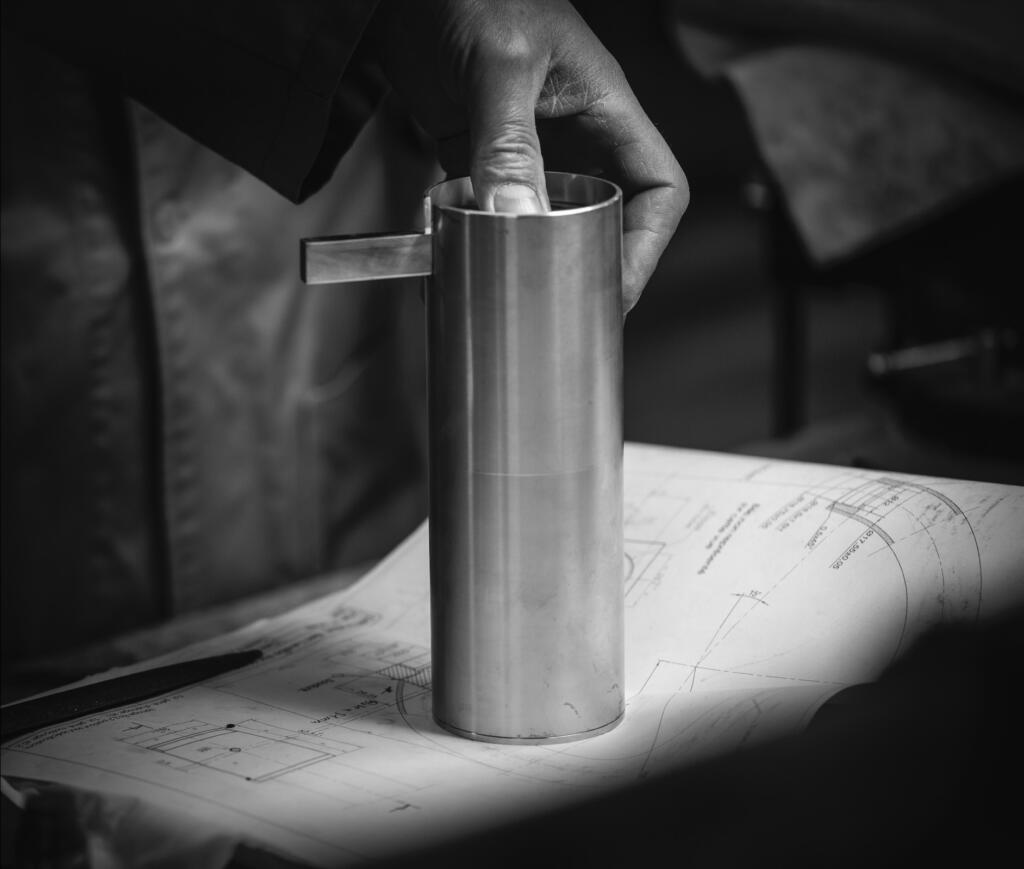
Supporting heritage brands helps preserve traditional techniques that might otherwise be lost. Companies like Remy Garnier, Cristal & Bronze, and Frank Allart continue to invest in training the next generation of artisans and machinists, ensuring that these skills endure for years to come.
The Future of Handmade Luxury
As the design industry evolves, the demand for authenticity and craftsmanship shows no signs of slowing. Clients are increasingly seeking out products with a story, pieces that reflect a deeper level of intention and artistry.
Artisanal pieces represent the intersection of tradition and innovation. While rooted in centuries-old techniques, they continue to adapt to contemporary needs, offering new finishes, forms, and applications. This balance ensures their relevance in both classic and modern interiors.
Alexander Marchant connects clients with hardware, fittings, and accessories whose craftsmanship adds character to everyday life. Request an appointment and bring your plans and material references. Our specification services can help connect inspiration with the practical details of your project.
Frequently Asked Questions
Q: What makes handmade hardware different from mass-produced options?
A: Artisanal hardware may incorporate specialized casting, chasing, polishing, or other skilled processes. Methods vary by maker and product; handwork alone does not guarantee a particular service life.
Q: Are artisanal bathroom fittings and hardware worth the investment?
A: Consider design, material, operation, finish, maintenance, and project budget together. The value lies in how well the selection meets your needs; lower lifetime cost should not be assumed.
Q: Why do luxury bathroom fittings and hardware sometimes have longer lead times?
A: Custom configurations, finish work, production schedules, and shipping can affect timing. Confirm the current lead-time estimate for your specific order.
Q: Do these pieces work in modern interiors?
A: Absolutely. Heritage craftsmanship complements both traditional and contemporary designs, adding depth and character to any space.