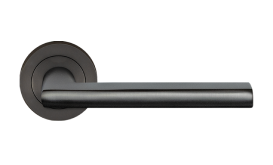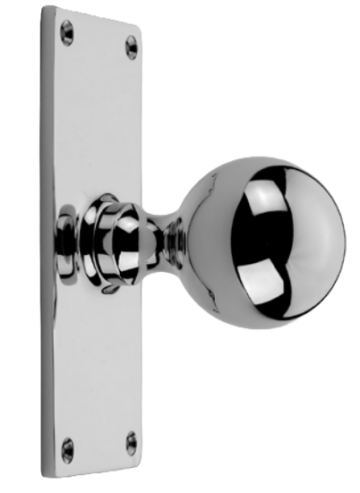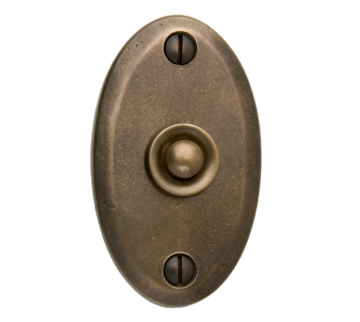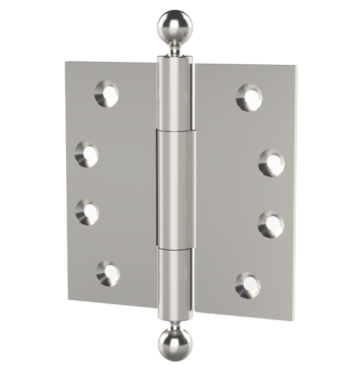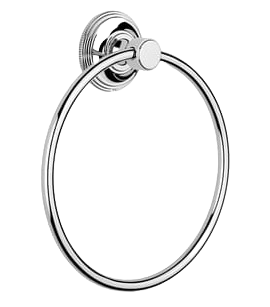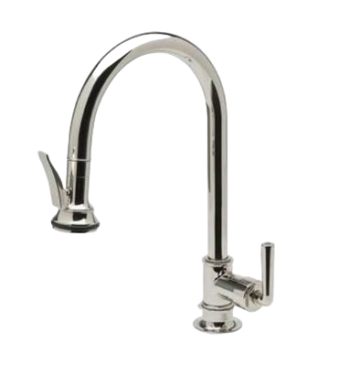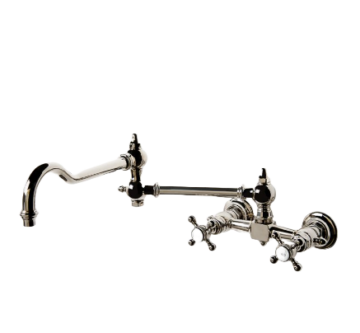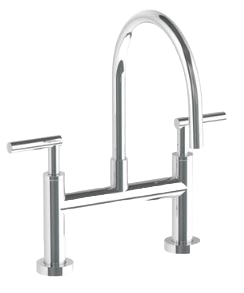
In an era of rapid manufacturing and mass production, true luxury is increasingly defined by what cannot be rushed – time, skill, and intention. Nowhere is this more evident than in the world of artisanal craftsmanship, where luxury bathroom fittings, accessories and handmade hardware are created through processes that honor centuries-old traditions. For discerning homeowners and design professionals, these pieces are not merely functional elements; they are enduring works of art.
At Alexander Marchant, the value of heritage craftsmanship is central to every offering. By partnering with storied European ateliers and legacy manufacturers, the showroom connects clients with fixtures that embody authenticity, precision, and timeless beauty. Brands such as Remy Garnier, Cristal & Bronze, and Frank Allart represent the pinnacle of this tradition, each with a distinct narrative rooted in artisanal mastery.
The Atelier Tradition: Where Craft Begins
The journey of luxury hardware, bathroom fittings and accessories begins not on an assembly line, but in an atelier, a workshop where skilled artisans dedicate their careers to perfecting a single discipline. In these environments, knowledge is often passed down through generations, preserving techniques that date back hundreds of years.
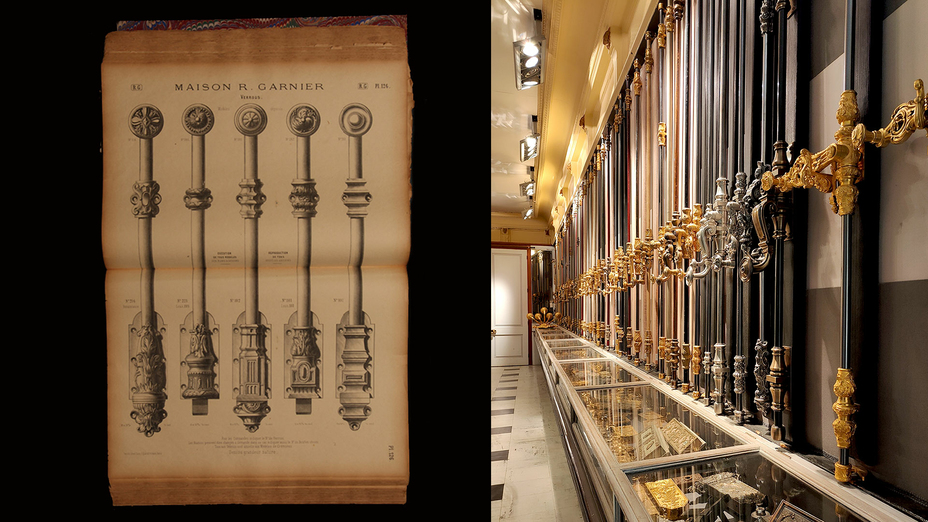
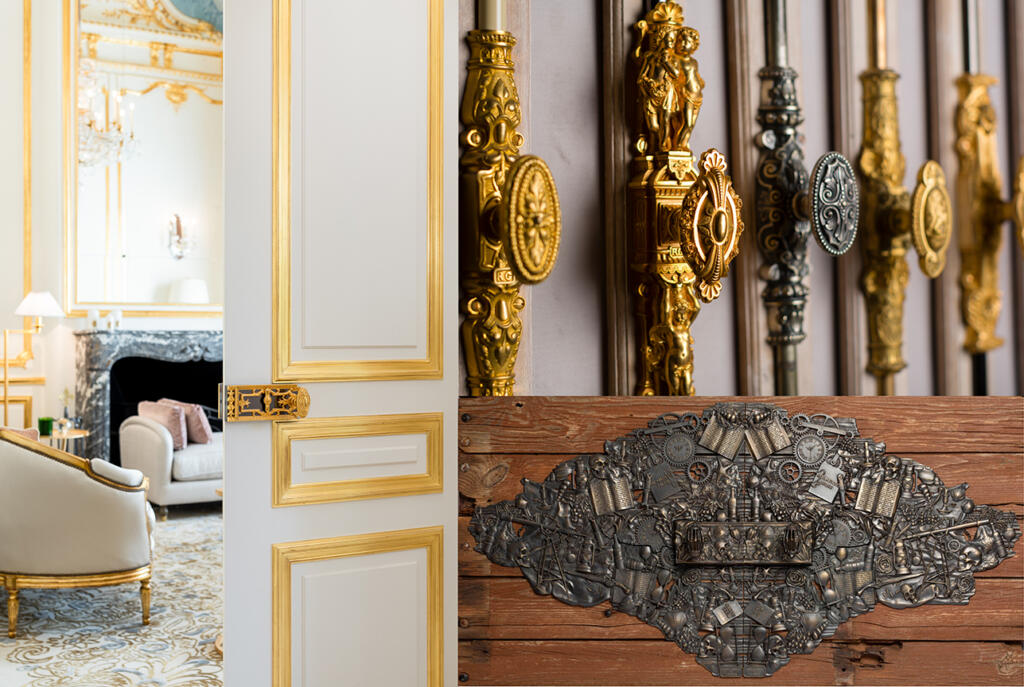
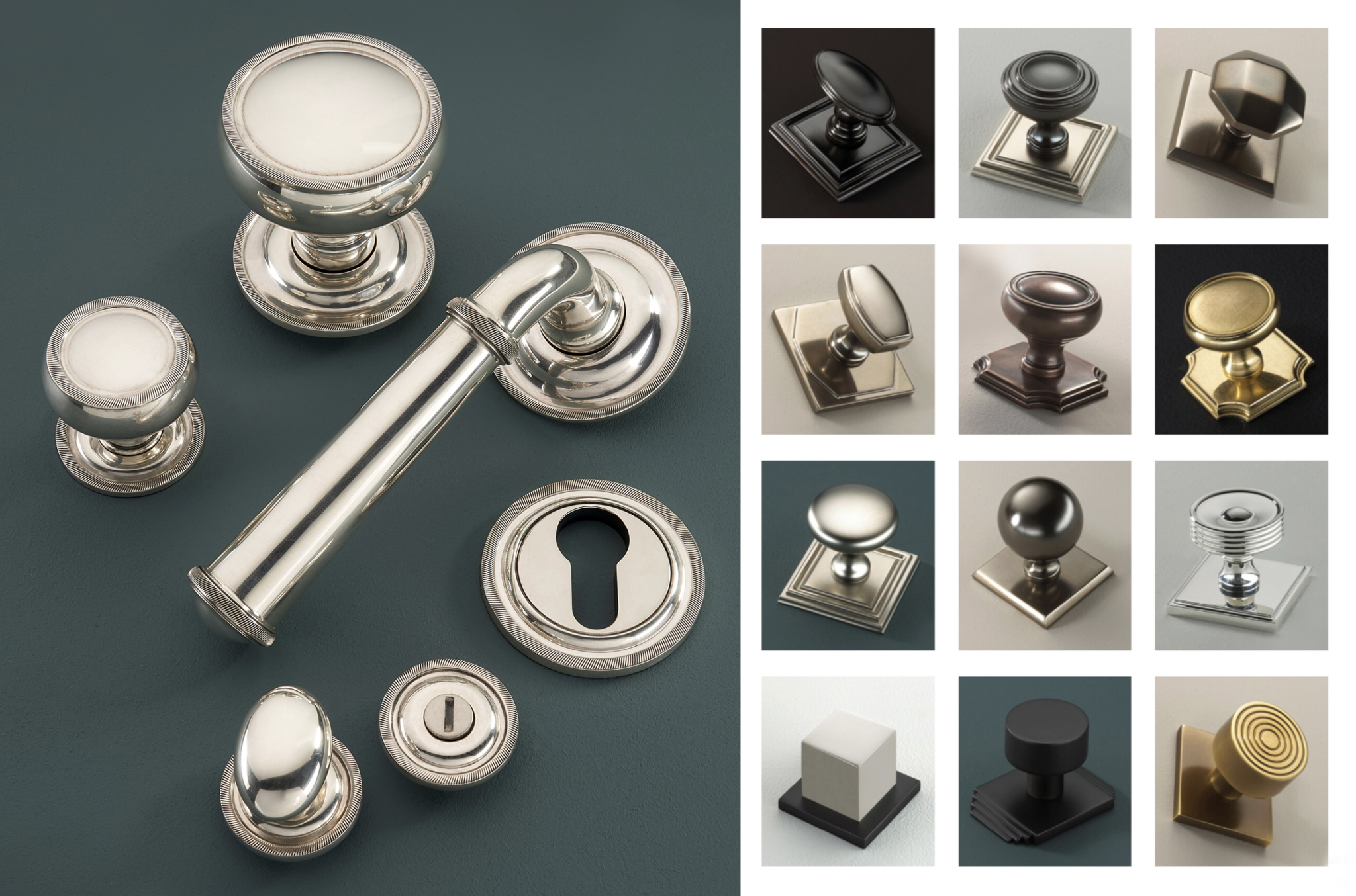
At Remy Garnier, born in Montbard, Burgundy and founded in 1832, the process begins with hand-drawn designs that are translated into intricate bronze hardware. Each piece is cast, chased, and finished by hand, ensuring no two items are exactly alike. This commitment to individuality is a hallmark of handmade hardware and a defining characteristic of true luxury.
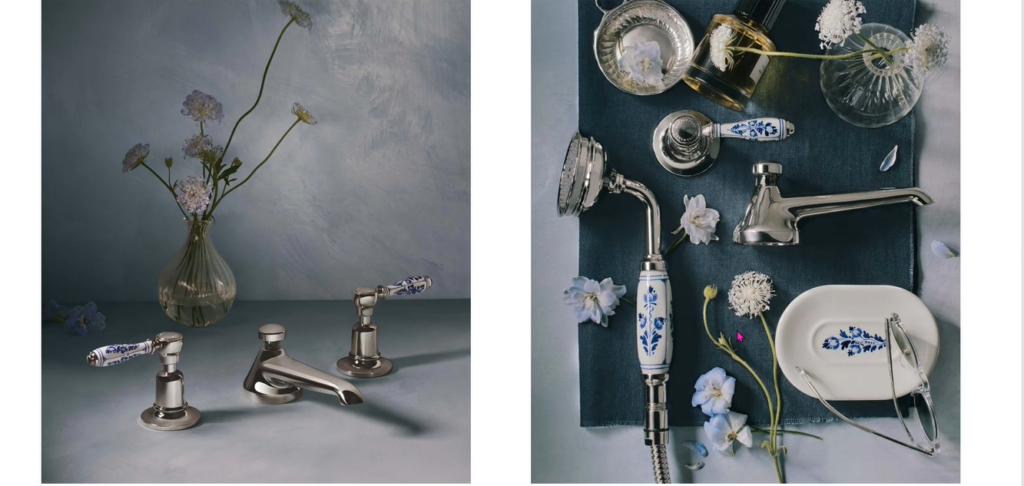
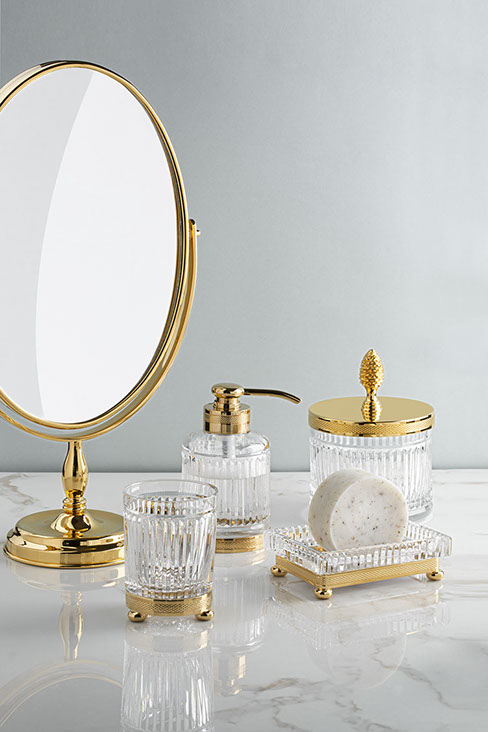
Similarly, Cristal & Bronze has been producing exceptional bathroom fittings and accessories since 1937. The company ensures its production thanks to a workshop located in the medieval village of Château-Landon, near Paris. Each brass piece is handmade by skillful craftsmen who were trained in traditional metalworking techniques. Their extensive know-how can be seen through the quality of their products and especially through their perfect finishes, from gilding to patinas. The result is a product that feels both historic and contemporary, a seamless blend of past and present.
Materials Matter: The Foundation of the Luxury Hardware
Artisanal craftsmanship begins with an uncompromising selection of materials. Solid brass, bronze, and other noble metals are favored not only for their durability but also for their ability to develop a rich patina over time. Unlike mass-produced alternatives, these materials evolve, telling a story through use and age.
In 1914 George Allart started his eponymous business from a small workshop in Birmingham and over the decades that have followed the company has continued to grow and diversify.

At Frank Allart, material integrity is paramount. Each piece is crafted from brass and finished using both traditional and innovative techniques. From hand-polished unlacquered brass to bespoke plated finishes, the emphasis is always on longevity and tactile quality.
This focus on materials ensures that every piece of is not just visually stunning but also built to endure. In luxury interiors, where every detail contributes to the overall experience, this level of quality is essential.
The Human Touch: Techniques That Define Handmade Hardware
What truly distinguishes artisanal hardware and fittings is the human touch. Processes such as hand casting, engraving, polishing, and patination require years, often decades, of training to master. Certain techniques cannot be replicated by machines without sacrificing nuance and depth.
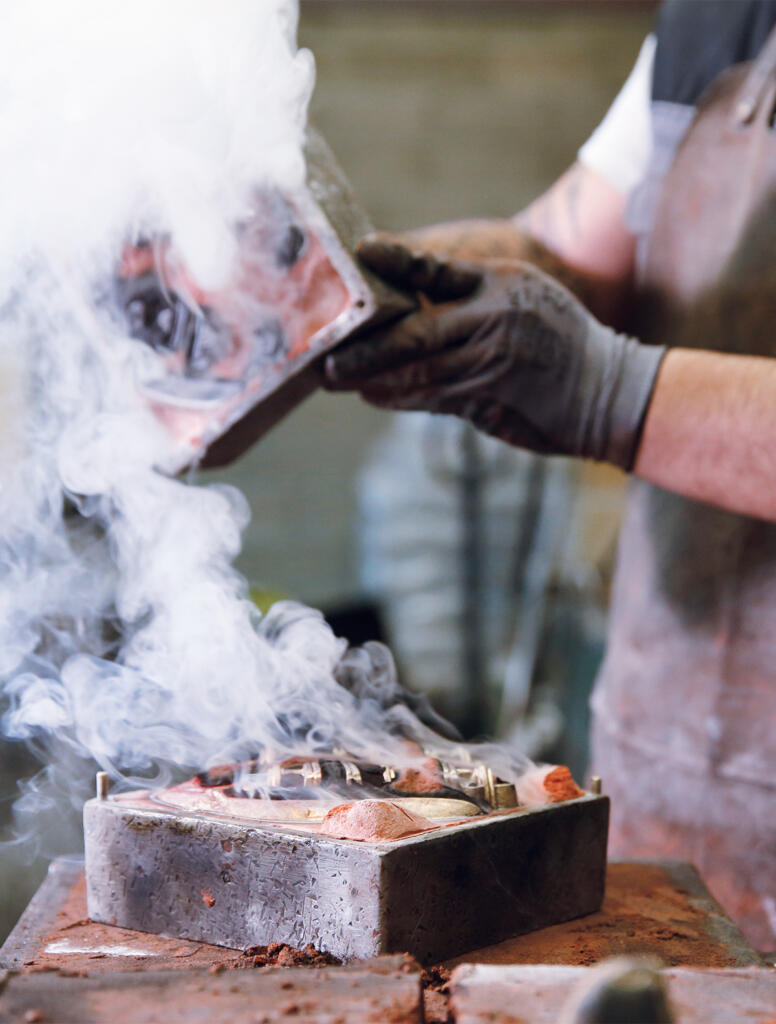
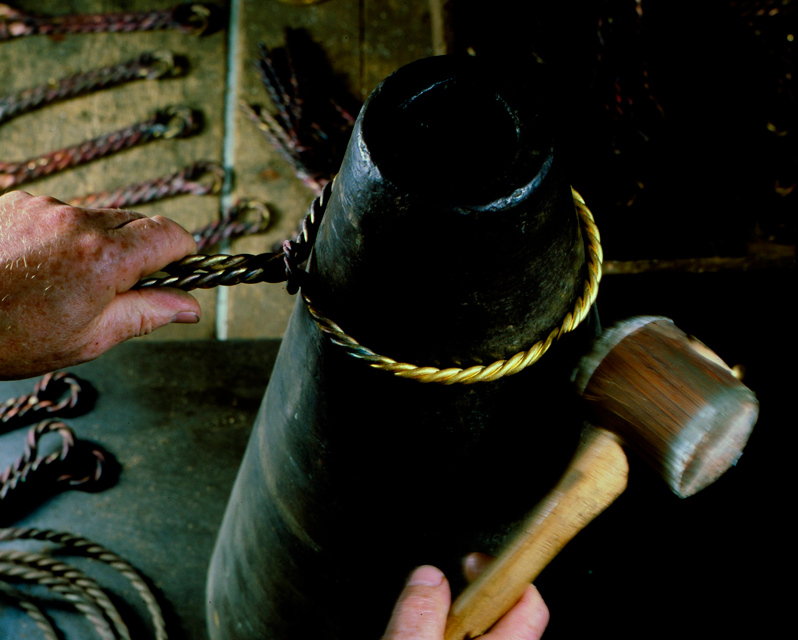
For example, the lost-wax casting method, frequently used by heritage brands, involves creating a wax model that is encased in a mold and melted away to form a cavity for molten metal. Once cooled, the piece is removed and refined by hand. This labor-intensive process allows for extraordinary detail and artistic expression.
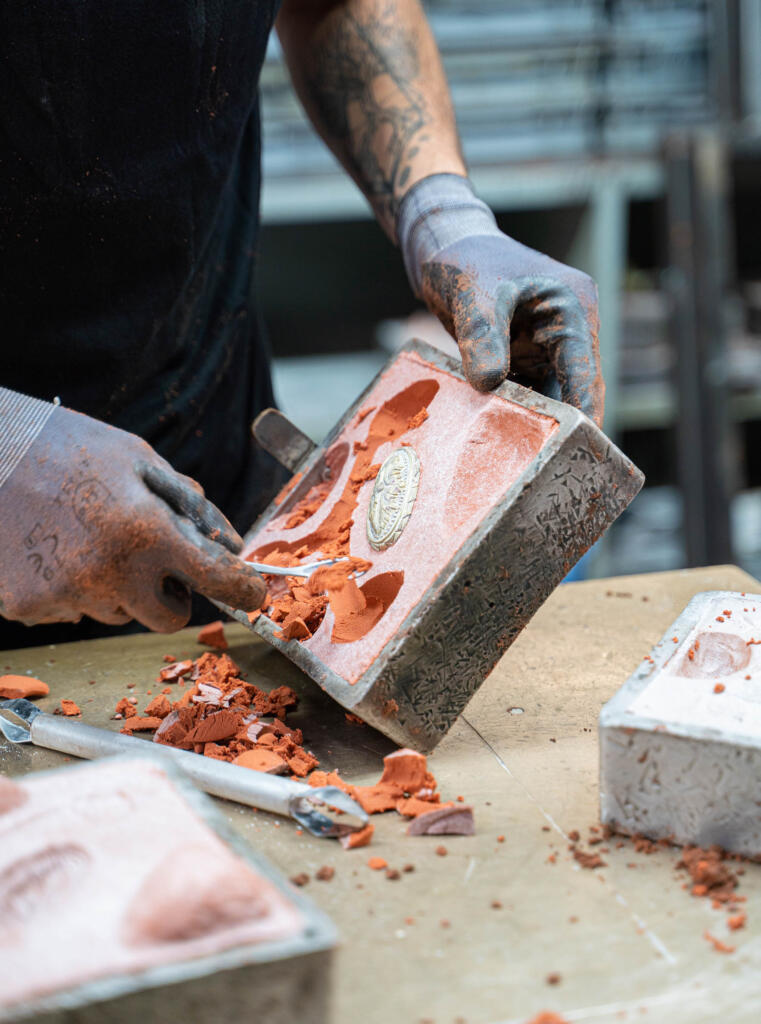
Hand-finishing techniques further elevate each piece. Artisans may spend hours burnishing a single surface or applying layered patinas to achieve a specific tone. The result is hardware or a fitting that feels alive, imbued with the subtle variations and imperfections that define true craftsmanship.
From Workshop to Installation: A Seamless Journey
While the creation of these pieces is rooted in tradition, their integration into modern spaces requires a thoughtful, collaborative approach. From the initial specification to final installation, every step is carefully considered to ensure the integrity of the design.
At Alexander Marchant, this journey is guided by a deep understanding of both product and project. Clients are invited to explore collections in a showroom environment that mirrors the atelier experience, tactile, immersive, and highly curated. This allows designers and homeowners to engage with the materials, finishes, and forms in a meaningful way before making a selection.
Once specified, these handcrafted pieces are produced to order, often requiring extended lead times that reflect the level of care involved. Upon arrival, installation becomes the final act in a deliberate process—one that transforms raw materials into a fully realized design statement.
Why Artisanal Craftsmanship Matters Today
In a world increasingly driven by convenience, the appeal of handmade hardware and luxury fittings lies in their authenticity. These pieces offer a counterpoint to disposable design, emphasizing permanence, quality, and emotional connection.
For designers, specifying artisanal pieces is an opportunity to elevate a project beyond aesthetics. It introduces a narrative, one that speaks to heritage, skill, and the enduring value of craftsmanship. For homeowners, it means living with objects that are not only beautiful but also meaningful.
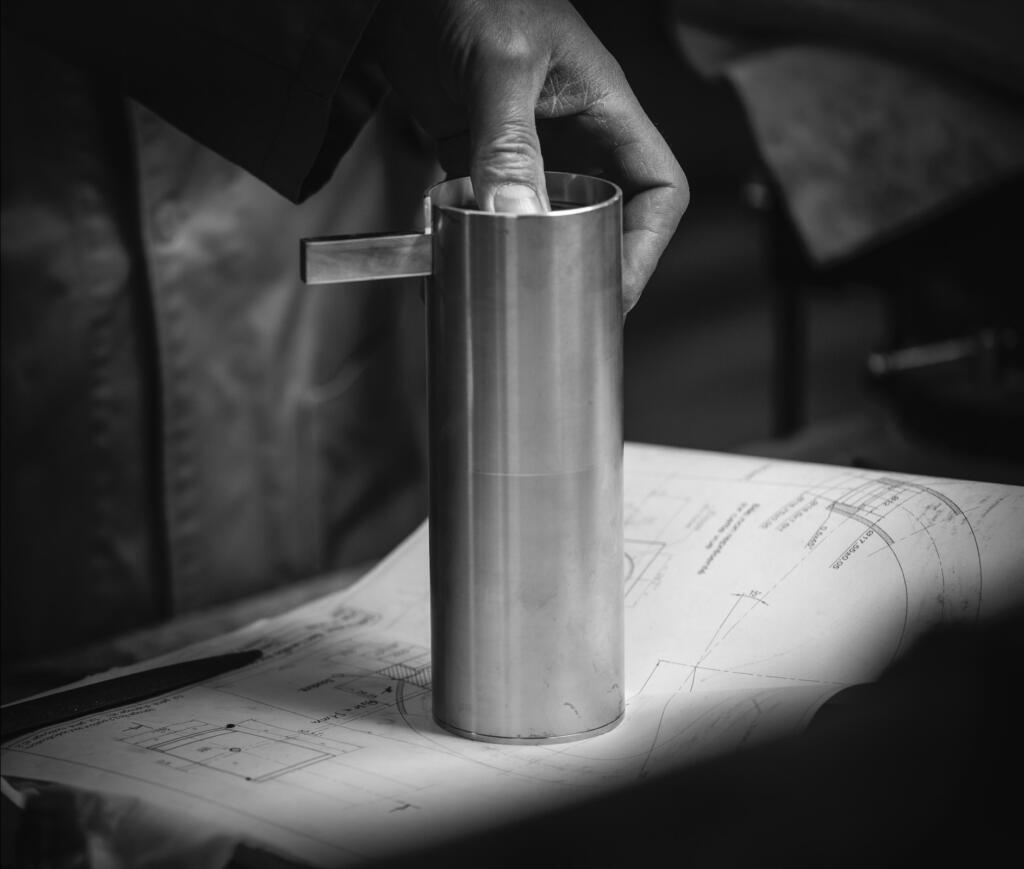
Supporting heritage brands help preserve traditional techniques that might otherwise be lost. Companies like Remy Garnier, Cristal & Bronze, and Frank Allart continue to invest in training the next generation of artisans and machinists, ensuring that these skills endure for years to come.
The Future of Handmade Luxury
As the design industry evolves, the demand for authenticity and craftsmanship shows no signs of slowing. Clients are increasingly seeking out products with a story, pieces that reflect a deeper level of intention and artistry.
Artisanal pieces represent the intersection of tradition and innovation. While rooted in centuries-old techniques, they continue to adapt to contemporary needs, offering new finishes, forms, and applications. This balance ensures their relevance in both classic and modern interiors.
For Alexander Marchant, the mission remains clear: to connect clients with the finest examples of handmade hardware and luxury bathroom fittings and accessories from around the world. By celebrating the journey from atelier to installation, the showroom not only showcases exceptional products but also honors the artisans behind them.
FAQ’s
Q: What makes handmade hardware different from mass-produced options?
A: Handmade hardware is crafted individually by skilled artisans, resulting in unique variations, superior quality, and longer-lasting performance compared to machine-made alternatives.
Q: Are artisanal bathroom fittings and hardware worth the investment?
A: Yes. Their durability, timeless design, and craftsmanship often make them more cost-effective over time, especially in high-end residential or hospitality projects.
Q: Why do luxury bathroom fittings and hardware sometimes have longer lead times?
A: Because they are made to order using labor-intensive techniques, artisanal fittings require additional time to ensure precision and quality.
Q: Do these pieces work in modern interiors?
A: Absolutely. Heritage craftsmanship complements both traditional and contemporary designs, adding depth and character to any space.